AdminZodPay

Stand Up India Scheme 2026

Stand Up India Scheme 2026 – Complete Information

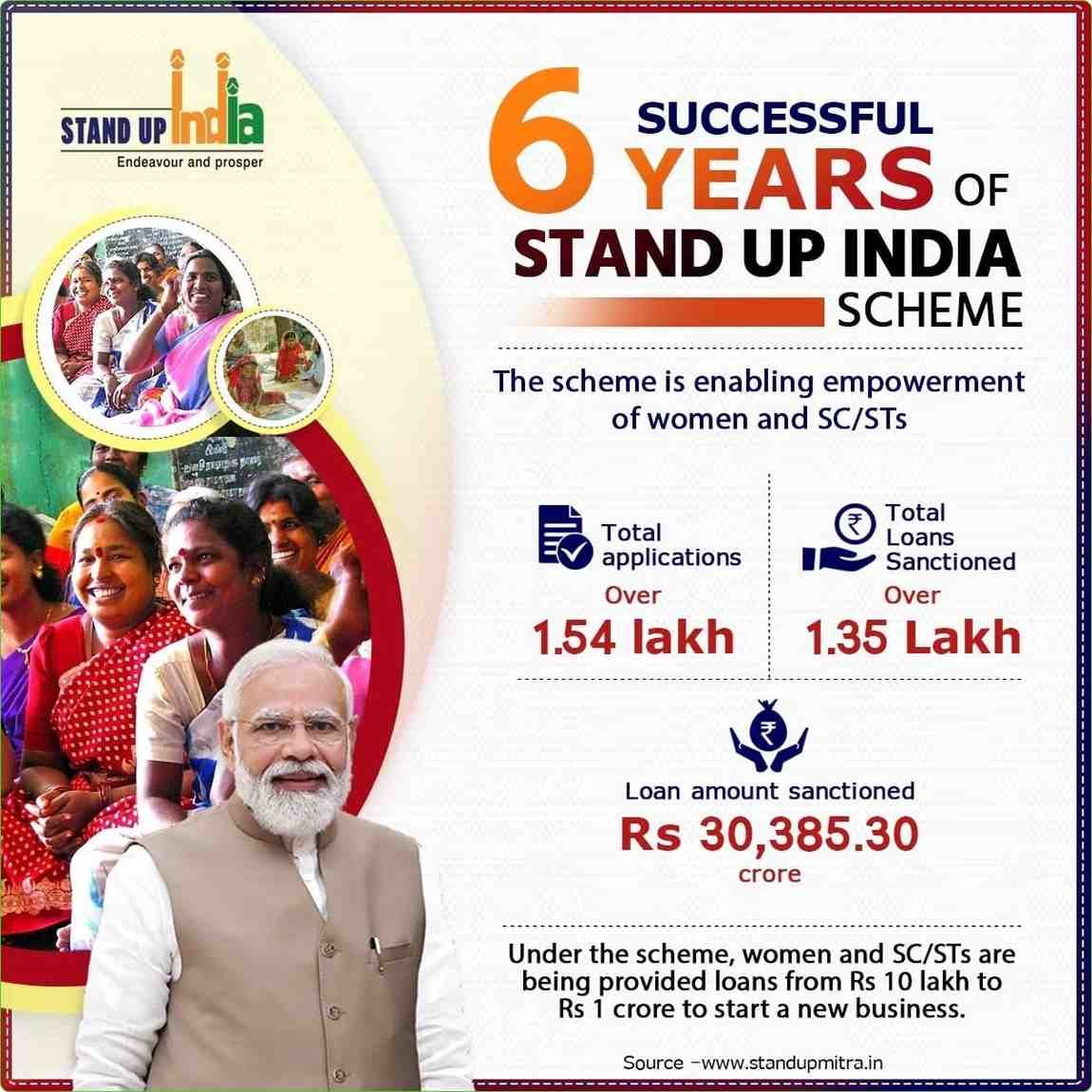
The Stand Up India Scheme 2026 is one of the most important government initiatives aimed at promoting entrepreneurship among women and SC/ST communities in India. Launched under the leadership of Narendra Modi, this scheme provides financial support to help individuals start their own businesses.

If you are planning to start a new business but lack capital, the can be a powerful opportunity. This article explains everything in simple language so that anyone can understand it easily.


Information

  1. What is Stand Up India Scheme 2026?
  2. Objectives of the Scheme
  3. Key Features
  4. 9 Powerful Benefits
  5. Eligibility Criteria
  6. Loan Details
  7. Required Documents
  8. Step-by-Step Application Process
  9. Subsidy & Repayment Rules
  10. Comparison with Other Government Schemes
  11. FAQs
  12. Final Conclusion

What is Stand Up India Scheme 2026?

The Stand Up India Scheme 2026 is a government-backed loan scheme launched on 5 April 2016 and continues strongly in 2026. It aims to provide bank loans between ₹10 lakh and ₹1 crore to at least one SC/ST borrower and one woman borrower per bank branch.

This scheme is operated through the Small Industries Development Bank of India (SIDBI).

The main purpose of the Stand Up India Scheme 2026 is to encourage first-time entrepreneurs in the manufacturing, trading, and service sectors.


Objectives of Stand Up India Scheme 2026

The main goals are:

  • Promote entrepreneurship among women
  • Support SC/ST business owners
  • Create employment opportunities
  • Boost small-scale industries
  • Reduce unemployment

The Stand Up India Scheme 2026 helps in building financial independence among underrepresented communities.


Key Features of Stand Up India Scheme 2026

  • Loan amount: ₹10 lakh to ₹1 crore
  • For Greenfield projects only
  • Composite loan (includes term loan + working capital)
  • Maximum repayment period: 7 years
  • Moratorium period: Up to 18 months

The scheme works through scheduled commercial banks across India.


9 Powerful Benefits of Stand Up India Scheme 2026

1. High Loan Amount

Entrepreneurs can receive up to ₹1 crore under the

2. Government Support

Backed by the Government of India, reducing risk.

3. Encourages Women Entrepreneurs

Special focus on women-owned businesses.

4. SC/ST Empowerment

Promotes financial inclusion.

5. Flexible Repayment

Repayment up to 7 years.

6. Working Capital Included

Covers daily business expenses.

7. Online Application Facility

Available through the official portal.

8. Handholding Support

Training and guidance provided.

9. Employment Generation

Helps create jobs in local areas.

The Stand Up India Scheme 2026 truly creates opportunities for growth.


Eligibility Criteria

To apply for Stand Up India Scheme 2026, you must:

  • Be SC/ST or Woman entrepreneur
  • Age above 18 years
  • Business must be a Greenfield project
  • At least 51% ownership by eligible category

Existing businesses are not eligible.


Loan Details Under Stand Up India Scheme 2026

ParticularDetails
Loan Amount₹10 lakh – ₹1 crore
Margin MoneyUp to 25%
RepaymentUp to 7 years
Moratorium18 months

The Stand Up India Scheme 2026 provides composite loans which combine term loan and working capital.


Required Documents

  • Aadhaar Card
  • PAN Card
  • Caste Certificate (if applicable)
  • Business Plan
  • Address Proof
  • Bank Statements

Documents may vary slightly from bank to bank.


Step-by-Step Application Process

  1. Visit official website of Stand Up India Scheme
  2. Click on “Apply Here”
  3. Register with basic details
  4. Submit business plan
  5. Select preferred bank branch
  6. Bank will contact you

The Stand Up India Scheme 2026 application process is simple and mostly online.


https://www.bjp.org/files/photo-gallery/1%20%286%29_2.jpg

Subsidy & Repayment Rules

The Stand Up India Scheme 2026 does not directly provide subsidy but offers credit guarantee support through government backing.

Interest rate depends on bank guidelines but usually linked to MCLR + small margin.


Comparison with Other Schemes

You can also compare with:

  • Pradhan Mantri Mudra Yojana
  • PMEGP

However, the Stand Up India Scheme 2026 specifically targets SC/ST and women entrepreneurs with higher loan limits.


Frequently Asked Questions

Q1: Is collateral required?

It depends on bank policy.

Q2: Can partnership firms apply?

Yes, if 51% ownership is eligible category.

Q3: Is there any subsidy?

Not direct subsidy but credit guarantee support available.

Final Conclusion

The Stand Up India Scheme 2026 is a powerful government initiative designed to empower women and SC/ST entrepreneurs. With loans up to ₹1 crore, flexible repayment options, and strong institutional backing, this scheme can help transform business ideas into reality.

If you belong to eligible categories and dream of starting your own business, the Stand Up India Scheme 2026 can be the stepping stone toward financial independence.

Sometimes the application process may take little time, but overall it is very supportive scheme for new business owners.
DBT Direct Benefit Transfer

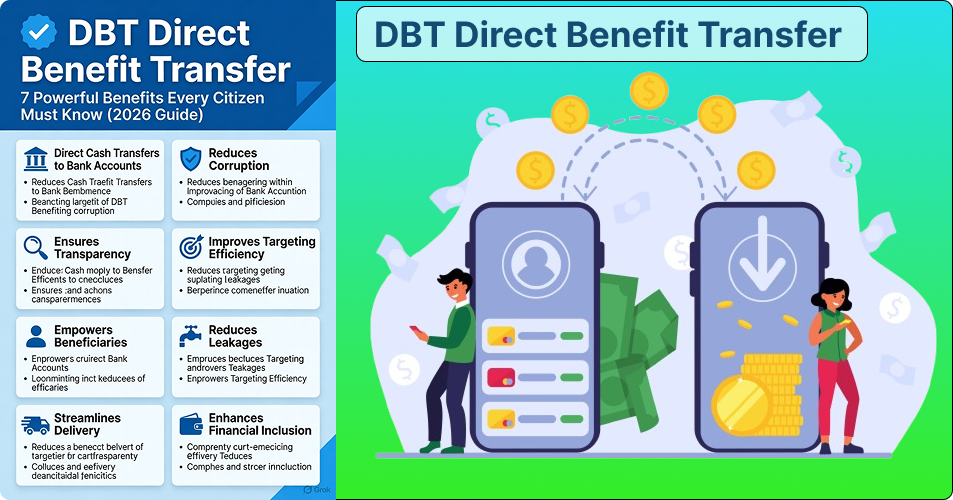
DBT Direct Benefit Transfer: 7 Powerful Benefits Every Citizen Must Know (2026 Guide)

Introduction

DBT (Direct Benefit Transfer) is one of the most important digital reforms introduced by the Government of India to improve the way welfare benefits are distributed. In simple terms, DBT (Direct Benefit Transfer) is a system that allows government subsidies, pensions, scholarships, and other financial assistance to be transferred directly into the bank accounts of beneficiaries. Instead of funds moving through multiple layers of administration, DBT (Direct Benefit Transfer) ensures that money reaches the right person quickly and securely.

Before the introduction of DBT (Direct Benefit Transfer), the traditional system of delivering government benefits faced many challenges. There were delays in payments, lack of transparency, corruption, and sometimes even fake beneficiaries claiming funds. Because the process involved intermediaries, the chances of financial leakage were high. DBT (Direct Benefit Transfer) was designed specifically to eliminate these inefficiencies and create a more accountable and transparent welfare distribution mechanism.

The success of DBT (Direct Benefit Transfer) largely depends on digital infrastructure such as Aadhaar identification, bank account linkage, and electronic payment systems. When a beneficiary’s bank account is linked with Aadhaar and registered under a government scheme, the funds are credited directly without any middlemen. This not only reduces corruption but also empowers citizens by giving them direct control over their financial benefits. DBT (Direct Benefit Transfer) has also encouraged millions of people to open bank accounts, contributing to financial inclusion across rural and urban areas.

Over the years, DBT (Direct Benefit Transfer) has expanded to cover numerous government schemes including LPG subsidies, pension programs, and agricultural support schemes. The system has transferred billions of rupees directly into beneficiaries’ accounts, making it one of the largest direct cash transfer systems in the world. While there are still some operational challenges such as digital literacy gaps and technical errors, DBT (Direct Benefit Transfer) continues to evolve and improve.

In today’s rapidly digitalizing economy, understanding DBT (Direct Benefit Transfer) is essential for every citizen. Whether you are a student receiving a scholarship, a farmer benefiting from subsidy programs, or a pensioner depending on government assistance, DBT (Direct Benefit Transfer) plays a crucial role in ensuring that financial support reaches you efficiently and transparently.

1. What Is DBT (Direct Benefit Transfer)?

DBT (Direct Benefit Transfer) is a government payment mechanism through which subsidies, pensions, scholarships, and welfare benefits are transferred directly into the beneficiary’s bank account.

The core idea behind DBT (Direct Benefit Transfer) is simple: eliminate intermediaries and reduce corruption.

Instead of distributing cash physically or through local offices, D.B.T (Direct Benefit Transfer) ensures that funds are deposited electronically into verified bank accounts linked with Aadhaar.

This system increases accountability and improves public trust in government programs.


2. History of DBT (Direct Benefit Transfer)

D.B.T (Direct Benefit Transfer) was officially launched on January 1, 2013, by the Government of India.

It was initially implemented in selected districts and gradually expanded nationwide. The introduction of Aadhaar identification and financial inclusion programs like Jan Dhan Yojana made D.B.T (Direct Benefit Transfer) more effective.

For official updates and statistics, you can refer to the Government of India portal:
https://dbtbharat.gov.in


3. Objectives of DBT (Direct Benefit Transfer)

The main objectives of DBT (Direct Benefit Transfer) include:

  • Reducing corruption
  • Preventing duplicate beneficiaries
  • Ensuring faster fund transfer
  • Increasing transparency
  • Strengthening digital governance

D.B.T (Direct Benefit Transfer) aims to make welfare delivery efficient and accountable.


4. How DBT (Direct Benefit Transfer) Works

The working process of D.B.T (Direct Benefit Transfer) involves several steps:

Step 1: Beneficiary Identification

The applicant registers for a government scheme.

Step 2: Aadhaar and Bank Linking

The beneficiary’s bank account must be linked to Aadhaar.

Step 3: Digital Fund Transfer

After verification, the government transfers money directly into the bank account through D.B.T (Direct Benefit Transfer).

There is no manual handling of funds, which significantly reduces misuse.


5. 7 Powerful Benefits of DBT (Direct Benefit Transfer)

1. Transparency

D.B.T (Direct Benefit Transfer) ensures that every transaction is recorded digitally.

2. Reduction in Corruption

By removing intermediaries, D.B.T (Direct Benefit Transfer) reduces fund leakage.

3. Faster Payments

Beneficiaries receive money directly without delay.

4. Better Targeting

Only verified individuals receive benefits.

5. Financial Inclusion

D.B.T (Direct Benefit Transfer) encourages citizens to open bank accounts.

6. Empowerment of Women

Funds are often transferred directly to women’s accounts.

7. Cost Efficiency

Administrative expenses are reduced under D.B.T (Direct Benefit Transfer).


6. Schemes Covered Under DBT (Direct Benefit Transfer)

Many government schemes operate under D.B.T (Direct Benefit Transfer), including:

  • LPG Subsidy
  • Scholarship Programs
  • Old Age Pension
  • PM-KISAN Scheme

Internal Link Suggestion:
You can link to your article on “PM Kisan Scheme Explained” within your website.


7. Challenges of DBT (Direct Benefit Transfer)

Despite its advantages, D.B.T (Direct Benefit Transfer) faces some challenges:

  • Lack of digital literacy
  • Banking access issues in rural areas
  • Aadhaar linking errors
  • Technical failures

Although D.B.T (Direct Benefit Transfer) is effective, continuous improvements are required.


8. Impact of DBT (Direct Benefit Transfer) on Digital India

D.B.T (Direct Benefit Transfer) has played a key role in strengthening India’s digital payment infrastructure.

It supports initiatives like Digital India and promotes cashless transactions.

Over the years, D.B.T (Direct Benefit Transfer) has transferred billions of rupees directly into beneficiary accounts, reducing systemic inefficiencies.


9. Future of DBT (Direct Benefit Transfer)

The future of D.B.T (Direct Benefit Transfer) looks promising.

With advancements in digital banking, mobile penetration, and AI-based verification systems, D.B.T (Direct Benefit Transfer) is expected to become more secure and faster.

The government is also exploring integration with fintech platforms to enhance monitoring and real-time tracking.


Conclusion

D.B.T (Direct Benefit Transfer) is a revolutionary reform in India’s welfare distribution system.

By eliminating middlemen, increasing transparency, and ensuring direct fund transfers, D.B.T (Direct Benefit Transfer) has significantly improved the efficiency of government schemes.

Although certain challenges remain, D.B.T (Direct Benefit Transfer) continues to evolve and strengthen India’s digital governance framework.

Understanding D.B.T (Direct Benefit Transfer) is essential for every citizen who benefits from government welfare programs.

Jan Seva Kendra

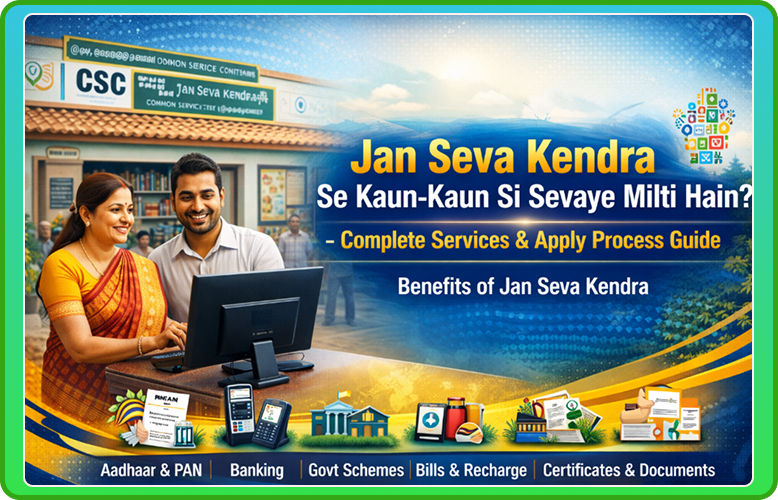
Jan Seva Kendra से कौन-कौन सी सेवाएं मिलती हैं? – पूरी जानकारी और Apply करने की प्रक्रिया (2026 Guide)

Introduction

Jan Seva Kendra se kaun-kaun si sevaye milti hain is a question many people are searching for today, especially as India rapidly moves toward digital governance. In the era of Digital India, most government services are becoming online, but not every citizen has access to the internet, a computer, or the knowledge to complete digital processes. This is where Jan Seva Kendra plays a very important role.

Jan Seva Kendra, also commonly known as a Common Service Center (CSC), is a government-authorized service center that provides multiple public and private services under one roof. These centers are mainly established to make government facilities easily accessible to citizens living in rural and semi-urban areas. Instead of visiting different government offices and standing in long queues, people can complete most of their essential tasks at a single location.

Earlier, even for small tasks like applying for a certificate or paying a bill, people had to visit government departments multiple times. The process was often time-consuming and confusing. However, after the introduction of Jan Seva Kendras, these services have become much simpler and more organized. From Aadhaar card updates to PAN card applications, electricity bill payments, banking services, insurance enrollment, and government scheme applications — everything can be handled at one center.

One of the biggest advantages of Jan Seva Kendra is that it helps bridge the digital divide. Many citizens, especially elderly people, women in rural areas, and individuals who are not comfortable using online platforms, depend on these centers for assistance. The trained operator at the center completes online applications, uploads documents, verifies details, and ensures the process is done correctly. This reduces errors and saves time.

Apart from providing public services, Jan Seva Kendra also creates employment opportunities. Many young entrepreneurs are opening their own centers and earning a stable income by offering these services. With minimal investment and proper registration, individuals can start their own Jan Seva Kendra and contribute to digital empowerment in their community. In a way, it not only supports citizens but also promotes self-employment.

Understanding Jan Seva Kendra se kaun-kaun si sevaye milti hain is important because these centers are becoming the backbone of rural digital infrastructure. They are helping people access government benefits, financial services, educational forms, healthcare schemes, and much more without unnecessary hassle.

In this detailed guide, we will explore all the major services available at Jan Seva Kendra, explain how citizens can benefit from them, and also provide a step-by-step process for applying to open your own center. If you want complete and clear information, this article will help you understand everything in simple …..

What is Jan Seva Kendra?

Jan Seva Kendra, also known as Common Service Center (CSC), is a government-authorized digital service point. These centers operate under the supervision of CSC e-Governance Services India Limited.

The main objective of Jan Seva Kendra is to provide public and private services digitally to citizens, especially in rural areas. It supports the Digital India initiative by making services available to everyone.


Jan Seva Kendra Se Kaun-Kaun Si Sevaye Milti Hain – Full List

There are more than 50 services available at most Jan Seva Kendras. Below are the major categories explained in detail.


1. Aadhaar and Identity Services

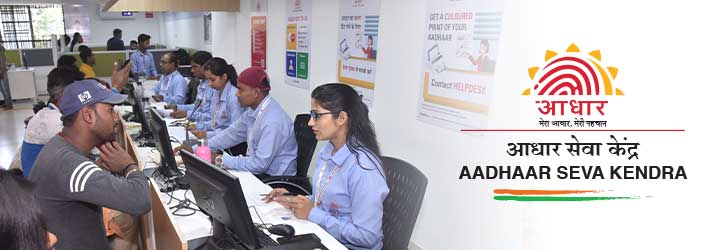
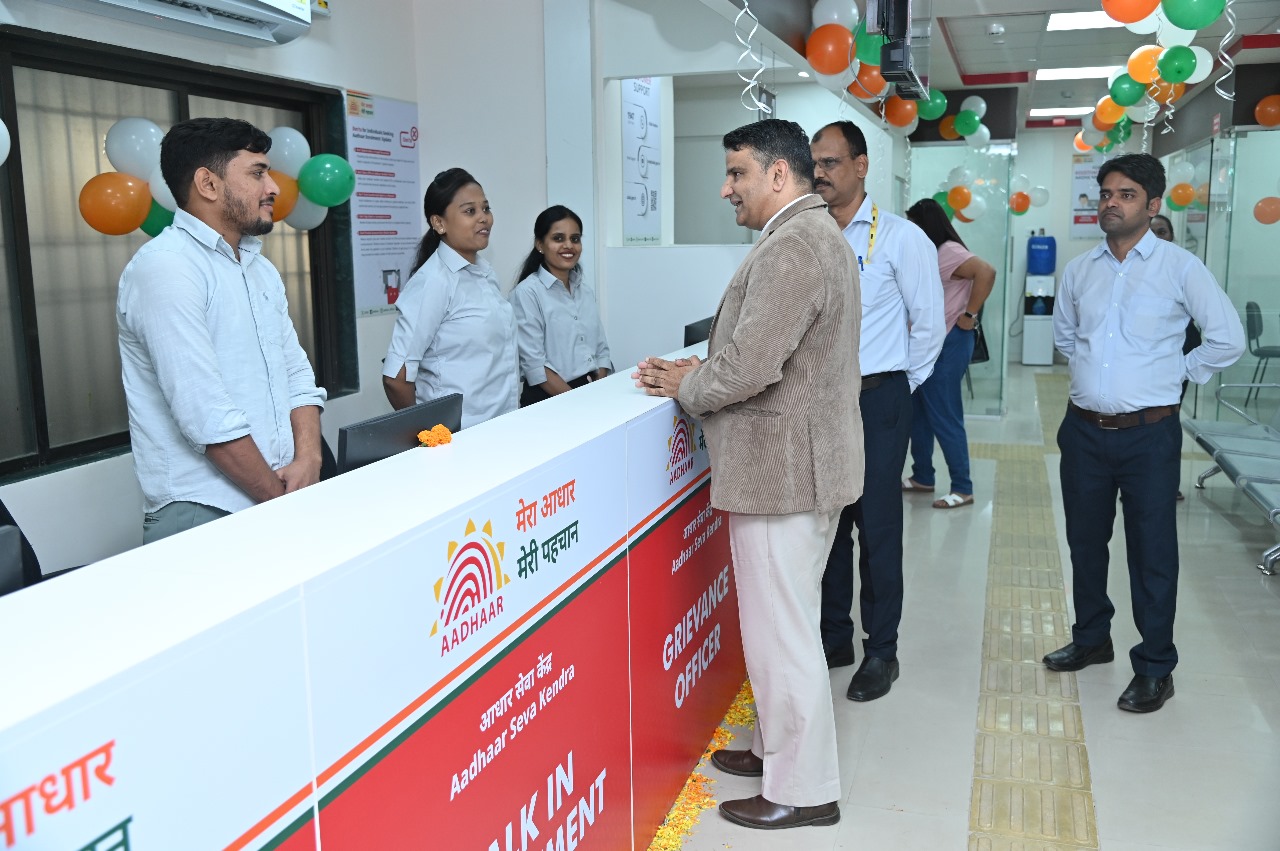
https://uidai.gov.in/images/ASK_webpage_header.jpg
https://i.ebayimg.com/images/g/nHkAAeSwPkFog3ay/s-l1200.jpg
https://images.bhaskarassets.com/web2images/1884/2025/12/24/aa-3_1766569069.jpg

4

Jan Seva Kendra se kaun-kaun si sevaye milti hain includes important identity services such as:

  • New Aadhaar card enrollment
  • Aadhaar correction (name, address, mobile number)
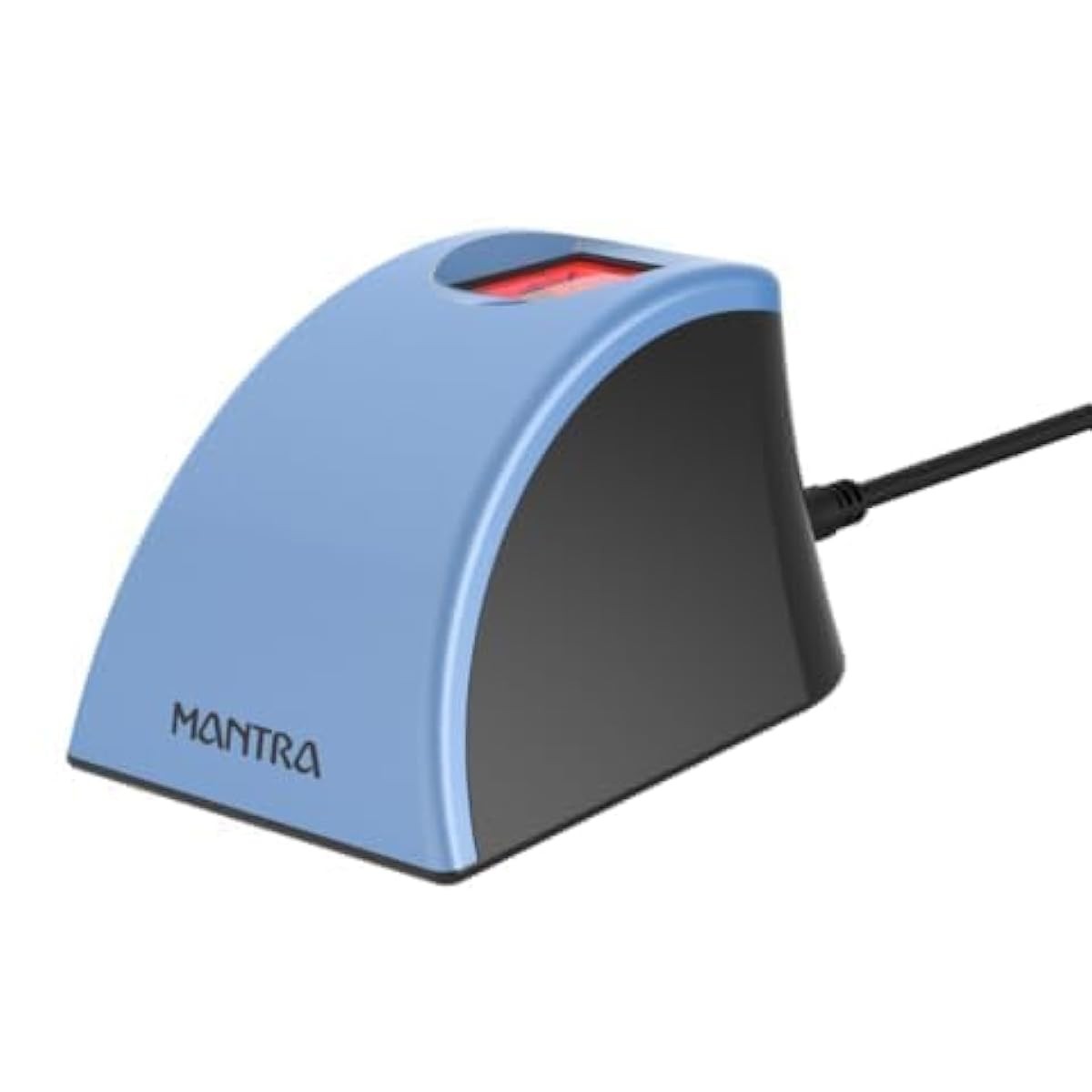
  • Biometric update
  • Aadhaar print

These services are regulated by Unique Identification Authority of India.

Other identity services include:

  • PAN card application
  • Voter ID application
  • PAN-Aadhaar linking

2. Banking and Financial Services

https://blogs.bankit.in/hubfs/WhatsApp%20Image%202024-05-16%20at%2011.25.21%20AM.jpeg
https://miro.medium.com/1%2Av1-0SHPDbj4Av2YkQzCXCQ.jpeg
https://www.alankit.com/blog/blogimage/Kiosk-Banking-Service.jpg

4

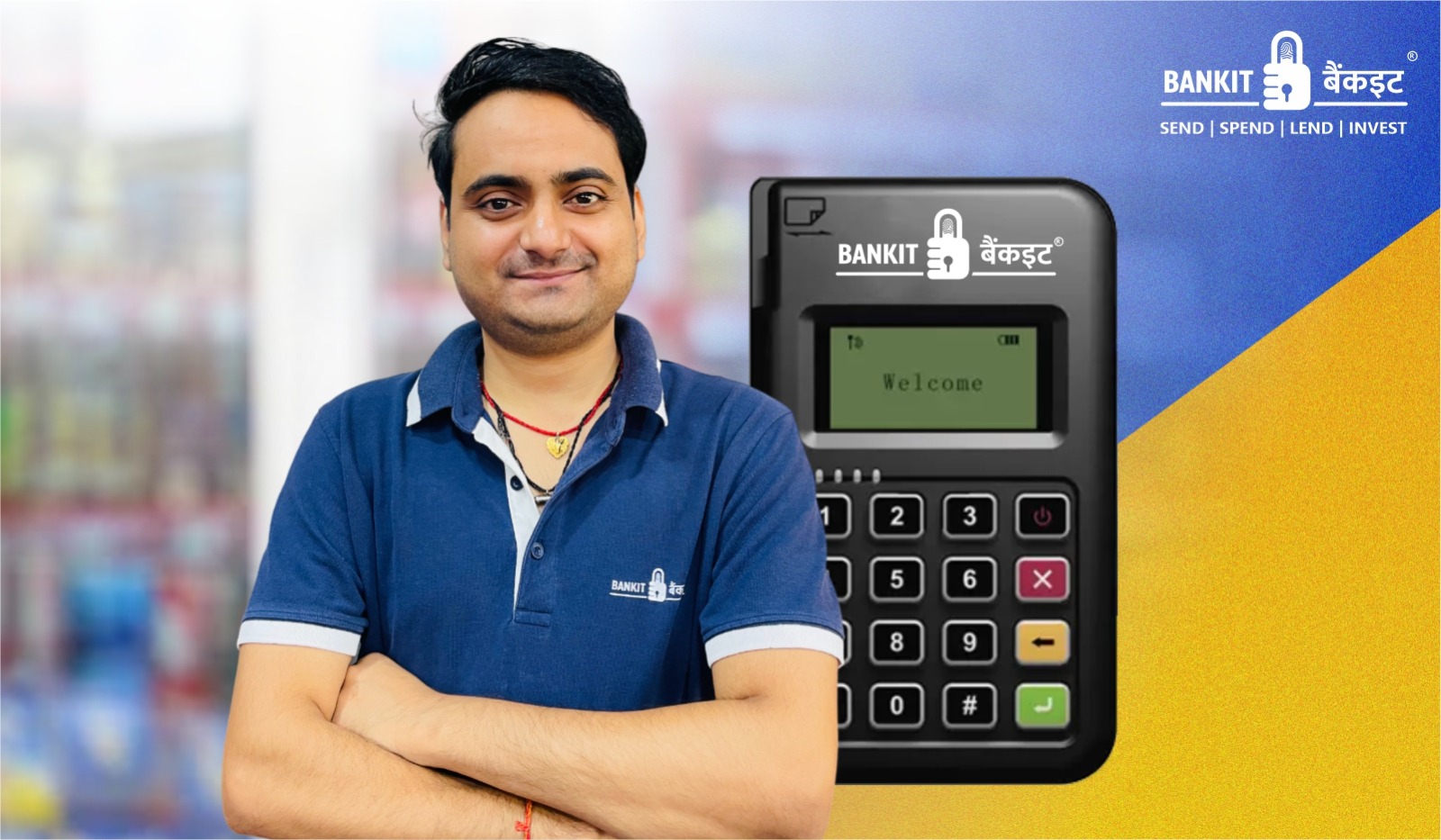
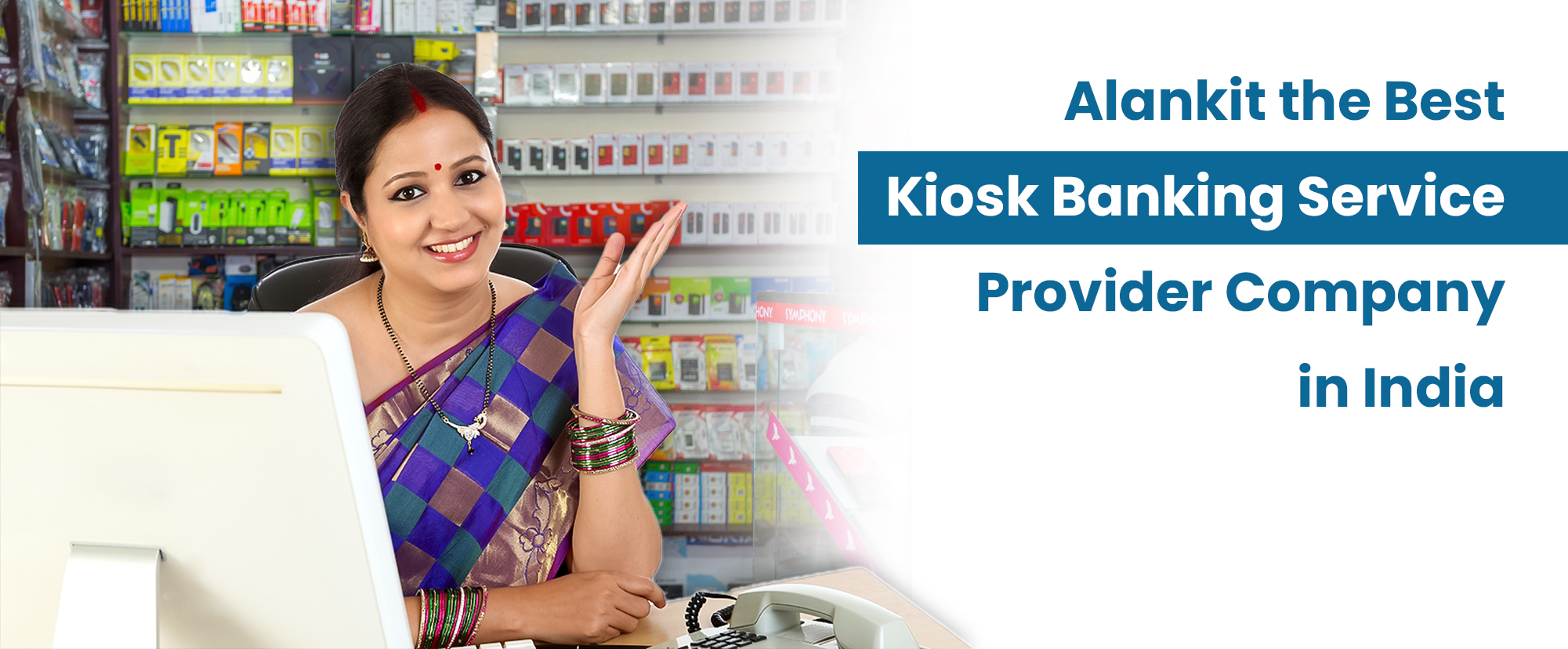
Banking services are one of the most important answers to Jan Seva Ken dra se kaun-kaun si sevaye milti hain:

  • Cash withdrawal and deposit
  • Balance check
  • Mini statement
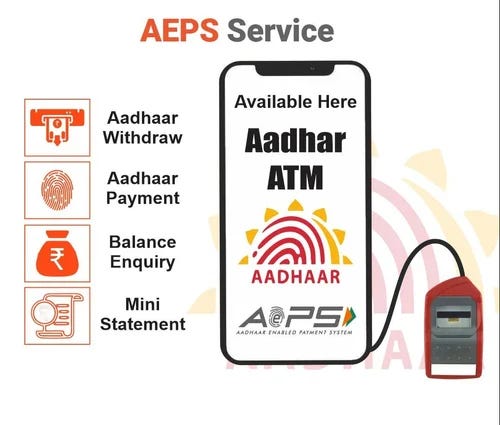
  • Aadhaar Enabled Payment System (AEPS)
  • Money transfer

These services are extremely useful in villages where banks are far away.


3. Government Scheme Services

Jan Seva Kendra helps citizens apply for various government schemes such as:

  • Pradhan Mantri Awas Yojana
  • Ayushman Bharat Yojana
  • Pradhan Mantri Ujjwala Yojana
  • PM Kisan Samman Nidhi

Operators assist in filling forms and uploading documents properly.


4. Certificate and Document Services

Jan Seva Kendra se kaun-kaun si sevaye milti hain also includes document-related services:

  • Birth certificate
  • Death certificate
  • Income certificate
  • Caste certificate
  • Residence certificate

Citizens can apply online through the center without visiting district offices.


5. Bill Payment and Recharge Services

https://archive-images.prod.global.a201836.reutersmedia.net/2015/01/25/LYNXMPEB0O0FV.JPG
https://static.pib.gov.in/WriteReadData/userfiles/image/LPG73CC.jpg
https://images.jdmagicbox.com/v2/comp/haldia/f5/9999p3224.3224.190117144809.a8f5/catalogue/indane-l-p-g-gas-booking-counter-haldia-township-haldia-gas-cylinder-dealers-6jNbvlJInn.jpg
  • Electricity bill payment
  • Water bill payment
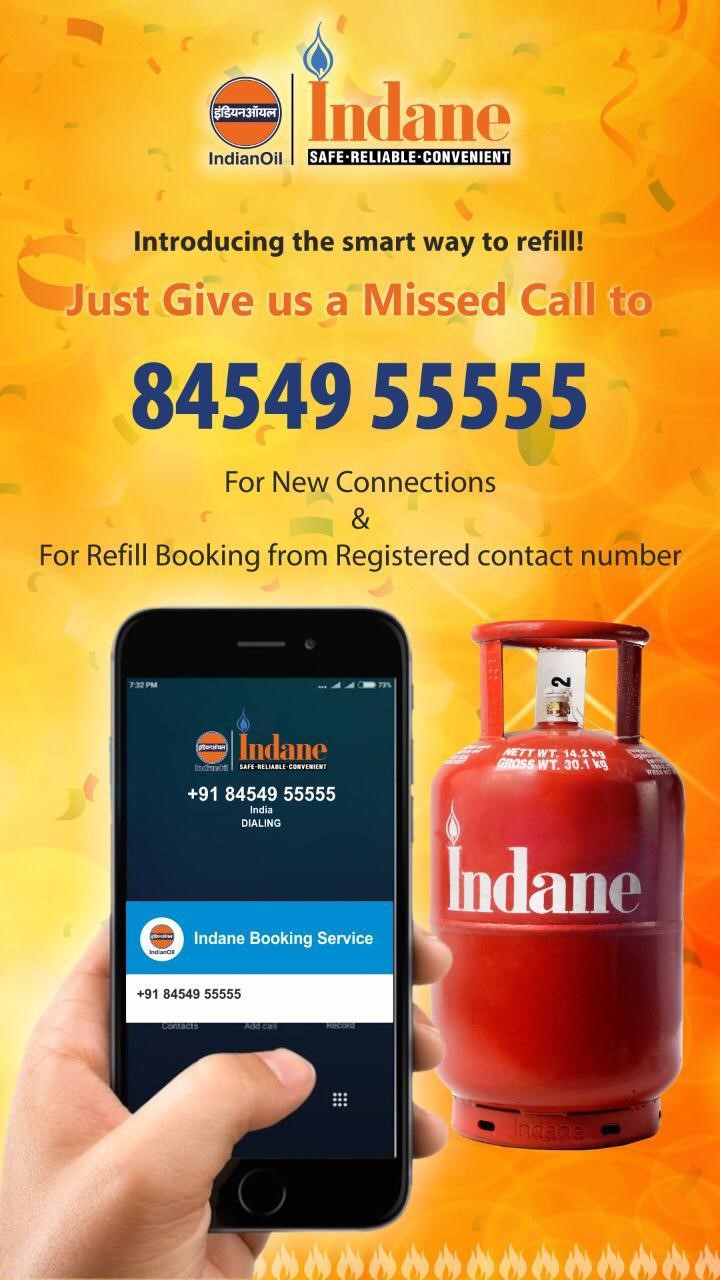
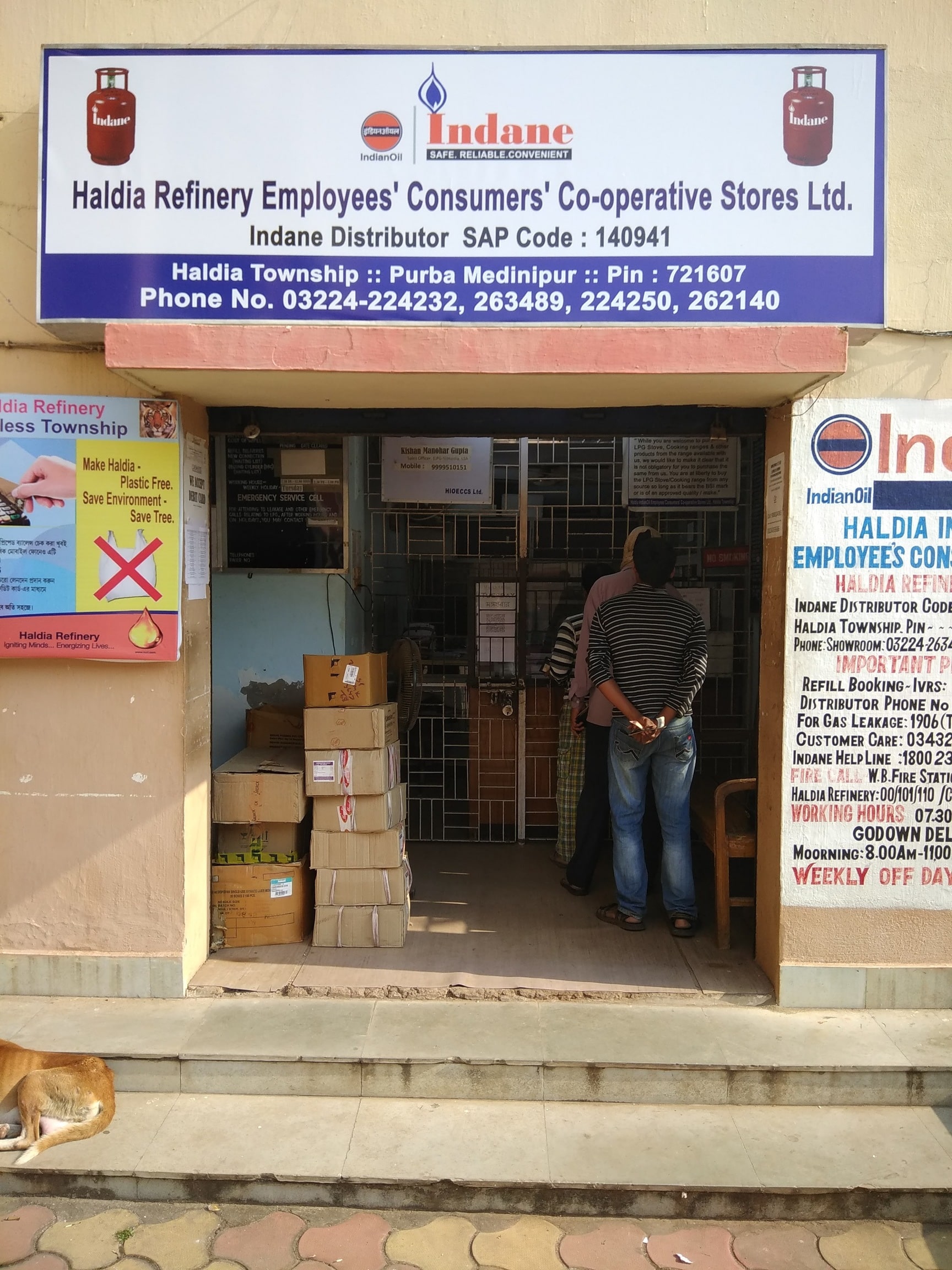
  • Gas cylinder booking
  • Mobile and DTH recharge

This saves time and travel expenses.


6. Education and Employment Services

  • Government job application forms
  • Board exam forms
  • College admission forms
  • Scholarship applications

Students in rural areas benefit greatly from these services.


7. Insurance and Pension Services

  • Pradhan Mantri Jeevan Jyoti Bima Yojana
  • Pradhan Mantri Suraksha Bima Yojana
  • Old age pension application
  • Widow pension application

These services help secure financial stability.


Benefits of Jan Seva Kendra

Understanding Jan Seva Kendra se kaun-kaun si sevaye milti hain also means knowing its advantages:

  • One-stop solution for multiple services
  • Saves time and travel cost
  • Helps rural citizens access digital services
  • Generates local employment
  • Transparent and reliable process

Jan Seva Kendra Apply Process – Step-by-Step

If you want to open your own Jan Seva Kendra, follow these steps:

Step 1: Visit Official Website

Go to the official portal of CSC e-Governance Services India Limited.

Website: https://register.csc.gov.in

Step 2: Click on New Registration

  • Enter mobile number
  • Complete OTP verification
  • Choose registration type

Step 3: Obtain TEC Certificate

You must complete the Telecentre Entrepreneur Course (TEC).

  • Complete online training
  • Pass the exam
  • Download certificate

Step 4: Upload Required Documents

  • Aadhaar card
  • PAN card
  • Bank details
  • Passport-size photo
  • Shop address proof

Step 5: Submit Application

After submission, verification will be conducted.
Once approved, you will receive CSC ID and password.


Required Setup

To start a Jan Seva Kendra, you need:

  • Computer or laptop
  • Internet connection
  • Printer and scanner
  • Biometric device
  • Small office space

Conclusion

Now you clearly understand Jan Seva Kendra se kaun-kaun si sevaye milti hain and how important these centers are in modern India. From Aadhaar services to banking, government schemes, bill payments, and employment forms, Jan Seva Kendra acts as a digital bridge between the government and citizens.

If you are looking for a self-employment opportunity, opening a Jan Seva Kendra can be a profitable and stable option. With proper registration and basic infrastructure, you can start serving your community while earning income.

Jan Seva Kendra is not just a service point — it is a strong step toward digital empowerment and inclusive growth in India.

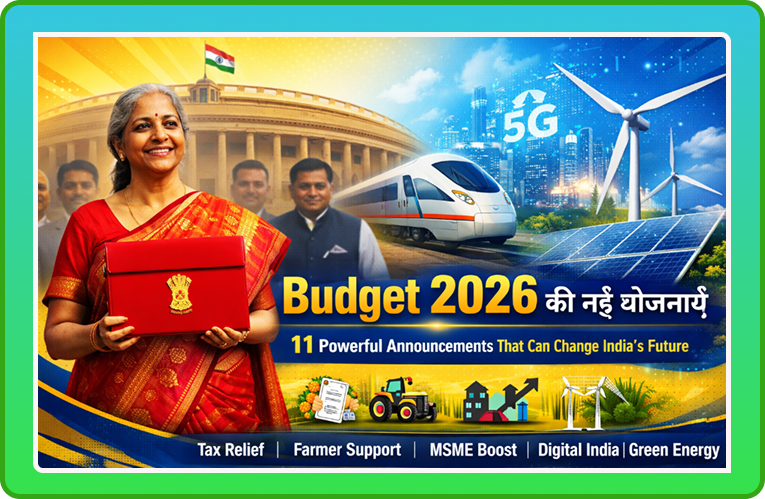
Budget 2026 की नई योजनाएँ

Budget 2026 की नई योजनाएँ – 11 Powerful Announcements That Can Change India’s Future

Budget 2026 की नई योजनाएँ – परिचय

Budget 2026 की नई योजनाएँ इस साल देश की अर्थव्यवस्था को तेज़ रफ्तार देने के उद्देश्य से पेश की गई हैं। भारत सरकार ने इस बजट में किसानों, युवाओं, महिलाओं, छोटे व्यापारियों और मध्यम वर्ग को ध्यान में रखते हुए कई महत्वपूर्ण घोषणाएँ की हैं।

इस बार का बजट विकास और आत्मनिर्भरता पर फोकस करता है। खास बात यह है कि Budget 2026 की नई योजनाएँ केवल घोषणा तक सीमित नहीं हैं, बल्कि इनके लिए अलग-अलग फंड भी आवंटित किया गया है।


1. Budget 2026 की नई योजनाएँ – Tax Relief Update

मिडिल क्लास के लिए यह बजट राहत भरा रहा।

  • टैक्स स्लैब में बदलाव
  • स्टैंडर्ड डिडक्शन बढ़ाया गया
  • छोटे व्यवसायों के लिए कम टैक्स रेट

यह कदम आम नागरिकों की बचत बढ़ाने में मदद करेगा। कई टैक्स एक्सपर्ट्स का मानना है कि यह कदम खपत बढ़ाने में सहायक होगा।

External Resource: Income Tax Details – https://www.incometax.gov.in


2. Farmer Support Package

किसानों के लिए नई सब्सिडी और बीमा योजनाएँ लाई गई हैं। सरकार ने कृषि क्षेत्र में निवेश बढ़ाया है।

  • न्यूनतम समर्थन मूल्य में वृद्धि
  • नई सिंचाई परियोजनाएँ
  • आधुनिक खेती उपकरण पर सब्सिडी

इस योजना से ग्रामीण अर्थव्यवस्था मजबूत होगी।


3. Women Empowerment Scheme

Budget 2026 की नई योजनाएँ महिलाओं को आर्थिक रूप से मजबूत बनाने पर भी जोर देती हैं।

  • महिला उद्यमियों के लिए विशेष लोन
  • स्वयं सहायता समूहों को सहायता
  • स्किल ट्रेनिंग प्रोग्राम

इससे लाखों महिलाओं को फायदा मिलने की उम्मीद है।


4. Youth Employment Program

बेरोजगार युवाओं के लिए सरकार ने स्किल डेवलपमेंट मिशन का विस्तार किया है।

  • IT और टेक सेक्टर में ट्रेनिंग
  • सरकारी अप्रेंटिसशिप
  • स्टार्टअप फंडिंग

यह योजना युवाओं को रोजगार दिलाने में मदद करेगी।


5. MSME Growth Mission

MSME सेक्टर के लिए क्रेडिट गारंटी बढ़ाई गई है।

  • कम ब्याज दर पर लोन
  • डिजिटल रजिस्ट्रेशन सुविधा
  • टैक्स में राहत

MSME भारत की रीढ़ मानी जाती है, और Budget 2026 की नई योजनाएँ इस क्षेत्र को मजबूती देती हैं।


6. Digital India Expansion

डिजिटल इंफ्रास्ट्रक्चर पर बड़ा निवेश घोषित किया गया।

  • ग्रामीण ब्रॉडबैंड
  • डिजिटल पेमेंट प्रोत्साहन
  • साइबर सिक्योरिटी सुधार

यह पहल डिजिटल अर्थव्यवस्था को बढ़ावा देगी।


7. Healthcare Reform Plan

स्वास्थ्य क्षेत्र में नई घोषणाएँ की गई हैं।

  • जिला अस्पतालों का अपग्रेड
  • मेडिकल कॉलेजों की संख्या में वृद्धि
  • सस्ती दवाइयाँ

सरकार का लक्ष्य स्वास्थ्य सेवाओं को सुलभ बनाना है।


8. Green Energy Initiative

Budget 2026 की नई योजनाएँ पर्यावरण संरक्षण पर भी केंद्रित हैं।

  • सोलर पैनल सब्सिडी
  • इलेक्ट्रिक वाहन प्रोत्साहन
  • ग्रीन हाइड्रोजन मिशन

यह कदम भारत को स्वच्छ ऊर्जा की दिशा में आगे बढ़ाएगा।


9. Infrastructure Boost

इंफ्रास्ट्रक्चर में भारी निवेश का ऐलान हुआ है।

  • नई सड़क परियोजनाएँ
  • रेलवे आधुनिकीकरण
  • शहरी मेट्रो विस्तार

इससे रोजगार और विकास दोनों बढ़ेंगे।


10. Education Reform Scheme

शिक्षा क्षेत्र के लिए डिजिटल क्लासरूम और नई स्कॉलरशिप योजनाएँ शुरू की गई हैं।

  • ग्रामीण स्कूलों में स्मार्ट क्लास
  • उच्च शिक्षा के लिए छात्रवृत्ति
  • रिसर्च फंडिंग

Startup India 2.0

सरकार ने स्टार्टअप इकोसिस्टम को मजबूत करने के लिए नया फंड घोषित किया है।

  • टैक्स हॉलिडे
  • आसान रजिस्ट्रेशन
  • इनोवेशन ग्रांट

यह पहल युवाओं को उद्यमिता की ओर प्रेरित करेगी।

Budget 2026 की नई योजनाएँ का आम जनता पर असर

Budget 2026 की नई योजनाएँ सीधे तौर पर मध्यम वर्ग, किसान, महिला और युवा वर्ग को प्रभावित करेंगी। टैक्स में राहत, रोजगार के अवसर और डिजिटल सुविधाओं के विस्तार से आम आदमी को फायदा होगा।

हालांकि कुछ अर्थशास्त्री मानते हैं कि इन योजनाओं को जमीन पर लागू करना सबसे बड़ी चुनौती होगी। अगर सही तरीके से लागू किया गया तो यह बजट गेम-चेंजर साबित हो सकता है।

Conclusion

Budget 2026 की नई योजनाएँ भारत की आर्थिक दिशा तय करने में महत्वपूर्ण भूमिका निभा सकती हैं। यह बजट विकास, रोजगार, महिला सशक्तिकरण और डिजिटल प्रगति पर आधारित है।

अगर योजनाएँ सही ढंग से लागू होती हैं, तो आने वाले वर्षों में भारत की अर्थव्यवस्था और मजबूत हो सकती है। कुल मिलाकर, Budget 2026 की नई योजनाएँ उम्मीद और अवसर दोनों लेकर आई हैं।

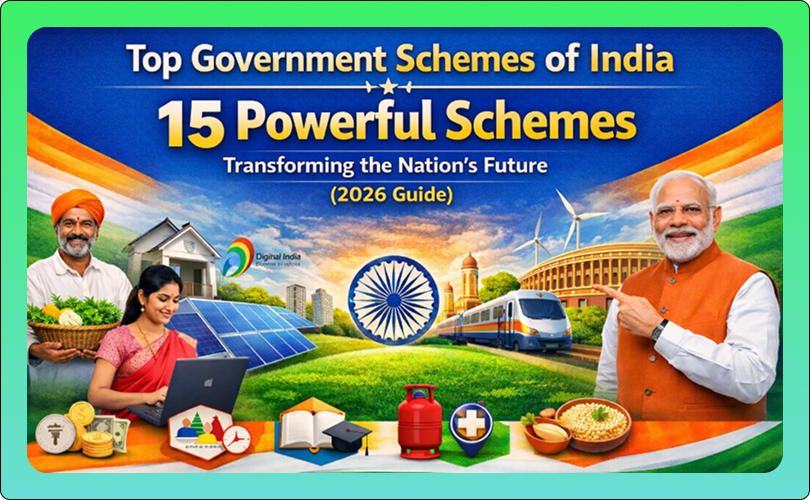
भारत की प्रमुख सरकारी योजनाएँ

भारत की प्रमुख सरकारी योजनाएँ – 15 Powerful योजनाएँ जो बदल रही हैं देश का भविष्य 2026

भारत की प्रमुख सरकारी योजनाएँ क्या हैं?

भारत की प्रमुख सरकारी योजनाएँ वे योजनाएँ हैं जिन्हें केंद्र सरकार और राज्य सरकारें देश के नागरिकों के विकास, सुरक्षा और आर्थिक सशक्तिकरण के लिए शुरू करती हैं। भारत की प्रमुख सरकारी योजनाएँ शिक्षा, स्वास्थ्य, रोजगार, कृषि, महिला सशक्तिकरण और सामाजिक सुरक्षा जैसे क्षेत्रों में सहायता प्रदान करती हैं।

इन योजनाओं का मुख्य उद्देश्य समाज के कमजोर वर्गों तक लाभ पहुँचाना है। अगर सही जानकारी हो तो आम नागरिक इन योजनाओं से काफी फायदा उठा सकता है।


भारत की प्रमुख सरकारी योजनाएँ क्यों महत्वपूर्ण हैं?

भारत की प्रमुख सरकारी योजनाएँ देश के आर्थिक और सामाजिक विकास में बहुत बड़ा योगदान देती हैं।

इन योजनाओं से:

  • गरीबों को आवास मिलता है
  • किसानों को आर्थिक सहायता मिलती है
  • महिलाओं को सुरक्षा और सम्मान मिलता है
  • युवाओं को रोजगार के अवसर मिलते हैं

सच कहें तो भारत की प्रमुख सरकारी योजनाएँ देश की रीढ़ की हड्डी जैसी हैं।

प्रधानमंत्री आवास योजना (PMAY)

प्रधानमंत्री आवास योजना भारत सरकार की एक महत्वाकांक्षी योजना है जिसका उद्देश्य हर परिवार को पक्का घर उपलब्ध कराना है। यह योजना खासकर आर्थिक रूप से कमजोर वर्ग (EWS), निम्न आय वर्ग (LIG) और मध्यम आय वर्ग (MIG) के लोगों के लिए शुरू की गई थी।

इस योजना के तहत ग्रामीण और शहरी दोनों क्षेत्रों में घर बनाने या खरीदने के लिए सब्सिडी दी जाती है। सरकार होम लोन पर ब्याज में छूट देती है जिससे लोगों का EMI बोझ कम हो जाता है।

प्रधानमंत्री आवास योजना गरीब परिवारों के लिए सम्मानजनक जीवन जीने का एक बड़ा अवसर है। यह सच में जरूरतमंद लोगों के सपनों का घर पूरा करने में मदद कर रही है।

मुख्य लाभ:

  • होम लोन पर ब्याज सब्सिडी
  • आर्थिक रूप से कमजोर वर्ग को सहायता
  • महिलाओं के नाम पर संपत्ति रजिस्ट्रेशन को बढ़ावा

पात्रता:

  • आर्थिक रूप से कमजोर परिवार
  • जिनके पास पहले से पक्का घर नहीं है

यह योजना लाखों परिवारों के सपनों को सच कर रही है।

आयुष्मान भारत योजना

आयुष्मान भारत योजना देश की सबसे बड़ी स्वास्थ्य बीमा योजनाओं में से एक है। इसका उद्देश्य गरीब और कमजोर परिवारों को मुफ्त स्वास्थ्य सुविधा उपलब्ध कराना है।

इस योजना के तहत पात्र परिवारों को प्रति वर्ष ₹5 लाख तक का कैशलेस इलाज दिया जाता है। सरकारी और सूचीबद्ध निजी अस्पतालों में इसका लाभ लिया जा सकता है।

यह योजना उन परिवारों के लिए बहुत राहत भरी साबित हुई है जो महंगे इलाज का खर्च नहीं उठा सकते थे।

लाभ:

  • ₹5 लाख तक का वार्षिक स्वास्थ्य बीमा
  • कैशलेस इलाज
  • सरकारी और सूचीबद्ध निजी अस्पतालों में सुविधा

पात्रता:

  • SECC डेटा में शामिल परिवार

यह योजना गरीब परिवारों के लिए किसी वरदान से कम नहीं है।

प्रधानमंत्री किसान सम्मान निधि (PM-KISAN)

प्रधानमंत्री किसान सम्मान निधि योजना छोटे और सीमांत किसानों के लिए शुरू की गई एक आर्थिक सहायता योजना है। इसका मुख्य उद्देश्य किसानों की आय को मजबूत करना है।

इस योजना के तहत किसानों को हर साल ₹6000 की राशि तीन किस्तों में सीधे बैंक खाते में भेजी जाती है।

यह सहायता खेती से जुड़े छोटे खर्चों को पूरा करने में मदद करती है और किसानों को आर्थिक सुरक्षा प्रदान करती है।

लाभ:

  • सालाना ₹6000 की सहायता
  • 3 किस्तों में सीधे बैंक खाते में पैसा

पात्रता:

  • 2 हेक्टेयर तक भूमि वाले किसान

यह योजना किसानों को आर्थिक मजबूती देती है।

उज्ज्वला योजना

उज्ज्वला योजना का उद्देश्य गरीब परिवारों की महिलाओं को धुएं से मुक्ति दिलाना है। पहले गांवों में लकड़ी या कोयले से खाना बनाया जाता था जिससे स्वास्थ्य पर बुरा असर पड़ता था।

इस योजना के तहत पात्र महिलाओं को मुफ्त LPG गैस कनेक्शन दिया जाता है।

इससे महिलाओं का स्वास्थ्य बेहतर हुआ है और उनका जीवन पहले से आसान बना है।

लाभ:

  • मुफ्त LPG कनेक्शन
  • धुएं से मुक्ति
  • बेहतर स्वास्थ्य

यह योजना महिलाओं के जीवन में बड़ा बदलाव लेकर आई है।

जन धन योजना

प्रधानमंत्री जन धन योजना का उद्देश्य हर नागरिक को बैंकिंग सुविधा से जोड़ना है। यह वित्तीय समावेशन की दिशा में एक बड़ा कदम है।

इस योजना के तहत जीरो बैलेंस बैंक खाता खोला जा सकता है। साथ ही RuPay कार्ड और बीमा सुविधा भी दी जाती है।

जन धन योजना ने गरीबों को बैंकिंग प्रणाली से जोड़कर उन्हें आर्थिक रूप से सशक्त बनाया है।

लाभ:

  • जीरो बैलेंस खाता
  • RuPay कार्ड
  • बीमा कवर

इससे करोड़ों लोग बैंकिंग से जुड़े।

प्रधानमंत्री मुद्रा योजना

प्रधानमंत्री मुद्रा योजना छोटे व्यापारियों और स्वरोजगार करने वालों के लिए शुरू की गई है। इसका उद्देश्य छोटे व्यवसायों को बढ़ावा देना है।

इस योजना के तहत बिना गारंटी के लोन दिया जाता है। शिशु, किशोर और तरुण श्रेणी में लोन उपलब्ध है।

यह योजना युवाओं को अपना व्यवसाय शुरू करने के लिए प्रेरित करती है।

लाभ:

  • बिना गारंटी लोन
  • शिशु, किशोर, तरुण श्रेणी

यह योजना युवाओं को स्वरोजगार की ओर प्रेरित करती है।

अटल पेंशन योजना

अटल पेंशन योजना असंगठित क्षेत्र के कामगारों के लिए शुरू की गई पेंशन योजना है।

इस योजना के तहत 60 वर्ष की आयु के बाद निश्चित पेंशन दी जाती है।

यह वृद्धावस्था में आर्थिक सुरक्षा देने के लिए बनाई गई एक महत्वपूर्ण योजना है।

लाभ:

  • 60 वर्ष के बाद निश्चित पेंशन
  • परिवार को सुरक्षा

यह योजना वृद्धावस्था में आर्थिक सहारा देती है।

बेटी बचाओ बेटी पढ़ाओ

बेटी बचाओ बेटी पढ़ाओ योजना का उद्देश्य बेटियों की शिक्षा और सुरक्षा को बढ़ावा देना है।

यह योजना लिंग अनुपात सुधारने और समाज में जागरूकता फैलाने के लिए शुरू की गई थी।

इससे लड़कियों की शिक्षा में सुधार देखने को मिला है।

उद्देश्य:

  • लिंग अनुपात सुधार
  • शिक्षा को बढ़ावा

इससे समाज में जागरूकता बढ़ी है।

डिजिटल इंडिया मिशन

डिजिटल इंडिया मिशन का लक्ष्य भारत को डिजिटल रूप से सशक्त समाज बनाना है।

इस योजना के तहत इंटरनेट कनेक्टिविटी, ऑनलाइन सेवाएं और डिजिटल भुगतान को बढ़ावा दिया गया है।

इससे सरकारी सेवाएं अब आम नागरिकों तक आसानी से पहुंच रही हैं।

लाभ:

  • ऑनलाइन सरकारी सेवाएँ
  • डिजिटल भुगतान
  • इंटरनेट कनेक्टिविटी

इससे नागरिकों को सुविधा हुई है।

स्वच्छ भारत अभियान

स्वच्छ भारत अभियान देश को साफ और स्वच्छ बनाने की एक राष्ट्रीय पहल है।

इस योजना के तहत शौचालय निर्माण और सफाई के प्रति जागरूकता बढ़ाई गई।

यह अभियान स्वास्थ्य और पर्यावरण सुधार में मददगार साबित हुआ है।

लाभ:

  • शौचालय निर्माण
  • स्वच्छता जागरूकता

इस अभियान ने ग्रामीण क्षेत्रों में बड़ा बदलाव किया।

स्किल इंडिया मिशन

स्किल इंडिया मिशन युवाओं को रोजगार योग्य कौशल सिखाने के लिए शुरू किया गया है।

इस योजना के तहत विभिन्न प्रशिक्षण कार्यक्रम चलाए जाते हैं।

इससे युवा आत्मनिर्भर बनने की दिशा में आगे बढ़ रहे हैं।

लाभ:

  • रोजगार योग्य प्रशिक्षण
  • उद्योग आधारित कोर्स

इससे बेरोजगारी कम करने में मदद मिल रही है।

स्टार्टअप इंडिया योजना

स्टार्टअप इंडिया योजना का उद्देश्य नए उद्यमियों को प्रोत्साहित करना है।

इस योजना के तहत टैक्स में छूट और आसान रजिस्ट्रेशन प्रक्रिया दी गई है।

इससे देश में नए व्यवसायों की संख्या में वृद्धि हुई है।

लाभ:

  • टैक्स में छूट
  • आसान रजिस्ट्रेशन
  • सरकारी समर्थन

इससे भारत में नए व्यवसाय बढ़ रहे हैं।

सुकन्या समृद्धि योजना

सुकन्या समृद्धि योजना बालिकाओं के भविष्य को सुरक्षित करने के लिए बनाई गई बचत योजना है।

इस योजना में माता-पिता अपनी बेटी के नाम पर खाता खोल सकते हैं।

यह योजना उच्च ब्याज दर और टैक्स लाभ प्रदान करती है, जिससे बेटियों की शिक्षा और विवाह के लिए धन सुरक्षित किया जा सकता है।

लाभ:

  • उच्च ब्याज दर
  • टैक्स लाभ
  • शिक्षा और विवाह के लिए धन

यह योजना बेटियों को आर्थिक सुरक्षा देती है।

निष्कर्ष

भारत की प्रमुख सरकारी योजनाएँ देश के विकास में महत्वपूर्ण भूमिका निभा रही हैं। यदि नागरिक सही जानकारी प्राप्त कर इन योजनाओं का लाभ उठाएं, तो वे अपनी आर्थिक और सामाजिक स्थिति को मजबूत बना सकते हैं।

भारत की प्रमुख सरकारी योजनाएँ आने वाले वर्षों में और भी ज्यादा प्रभावशाली साबित होंगी।


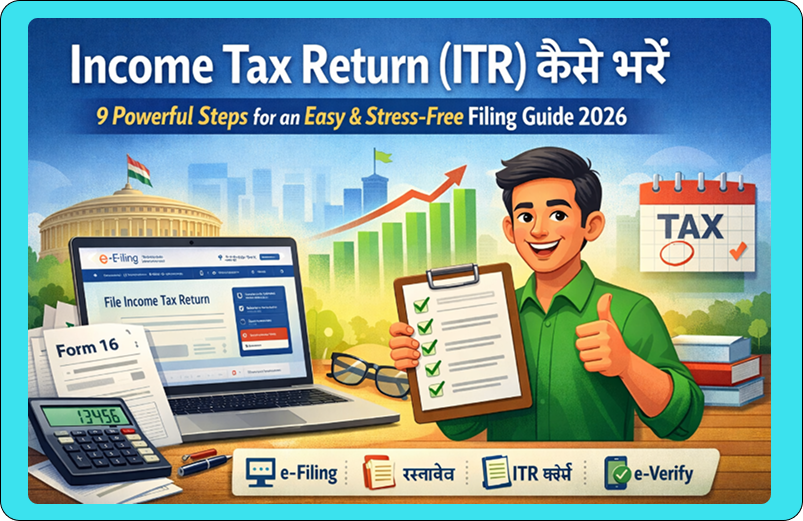
Income Tax Return (ITR) कैसे भरें

Income Tax Return (ITR) कैसे भरें – 9 Powerful Steps for an Easy & Stress-Free Filing Guide 2026

Introduction

Income Tax Return (ITR) कैसे भरें is one of the most searched questions every financial year. Many salaried employees, freelancers, and small business owners feel confused about the filing process. Honestly, the procedure looks complicated at first, but once you understand the steps, it becomes much easier.

If you are earning income in India, knowing Income Tax Return (ITR) कैसे भरें is very important. Filing your return correctly helps you avoid penalties, claim refunds, and maintain proper financial records.

In this complete guide, you will learn Income Tax Return (ITR) कैसे भरें step by step, which documents are required, how to select the correct ITR form, and what mistakes you should avoid.

Let’s start from the basics.


Table of Contents

  1. What is Income Tax Return (ITR)?
  2. Who Should File ITR?
  3. Documents Required to File ITR
  4. Choosing the Correct ITR Form
  5. Registration on the Income Tax Portal
  6. Income Tax Return (ITR) कैसे भरें – 9 Powerful Steps
  7. Understanding Tax Calculation
  8. Common Mistakes to Avoid
  9. Benefits of Filing ITR
  10. Final Thoughts

1. What is Income Tax Return (ITR)?

An Income Tax Return (ITR) is a financial statement submitted to the government that shows your total income, deductions, and taxes paid during a financial year.

In India, ITR filing is managed by the
🔗 Income Tax Department of India

The official portal for filing is:
https://www.incometax.gov.in

When you understand Income Tax Return (ITR) कैसे भरें, you are basically learning how to declare your income properly to the government.


2. Who Should File Income Tax Return?

Before learning Income Tax Return (ITR) कैसे भरें, you must know whether you are required to file it.

You should file ITR if:

  • Your annual income exceeds the basic exemption limit
  • You run a business or freelance
  • You earn capital gains from shares or property
  • You want to claim a tax refund
  • You have foreign income or assets

Even if your income is below the limit, filing ITR is beneficial. It builds your financial credibility.


3. Documents Required for Income Tax Return (ITR) कैसे भरें

To understand Income Tax Return (ITR) कैसे भरें smoothly, keep these documents ready:

  • PAN Card
  • Aadhaar Card
  • Form 16 (for salaried individuals)
  • Bank statements
  • Investment proofs (PPF, LIC, ELSS etc.)
  • Home loan interest certificate (if applicable)
  • TDS certificates

Having these documents ready makes Income Tax Return (ITR) कैसे भरें much easier and less stressful.


4. Choosing the Correct ITR Form

Selecting the right form is a crucial step in Income Tax Return (ITR) कैसे भरें.

Here are common ITR forms:

  • ITR-1 (Sahaj) – For salaried individuals with income up to ₹50 lakh
  • ITR-2 – For individuals with capital gains
  • ITR-3 – For business or professional income
  • ITR-4 – For presumptive income scheme

Choosing the wrong form may lead to rejection or notice. So this step should not be ignored.


5. Registration on the Income Tax Portal

To begin Income Tax Return (ITR) कैसे भरें, you must register on the official website of the
Income Tax Department of India

Steps to register:

  1. Visit the portal
  2. Click on Register
  3. Enter PAN details
  4. Verify mobile and email
  5. Create password

After registration, you can start the filing process.


6. Income Tax Return (ITR) कैसे भरें – 9 Powerful Steps

Now let’s understand Income Tax Return (ITR) कैसे भरें in a simple step-by-step manner.


Step 1: Login to the Portal

Enter your PAN number and password on the income tax portal.


Step 2: Select Assessment Year

Choose the relevant assessment year carefully. Many people mistakenly select the wrong year.


Step 3: Choose Filing Type

Select “Original Return” if filing for the first time.


Step 4: Select Appropriate ITR Form

Pick the form based on your income type.


Step 5: Verify Personal Information

Check your name, address, Aadhaar number, and bank details.


Step 6: Enter Income Details

Fill in salary income, business income, house property income, and other sources like interest.

Be careful while entering numbers. Small typing errors sometimes create unnecessary issues.


Step 7: Claim Deductions

Add deductions under:

  • Section 80C
  • Section 80D
  • Section 80G
  • Home loan interest

These reduce your taxable income.


Step 8: Calculate Tax

The portal automatically calculates your tax liability.

If excess tax is paid, you will get a refund.


Step 9: Submit and e-Verify

After reviewing everything, submit the return.

Complete e-verification through:

  • Aadhaar OTP
  • Net Banking
  • Demat account
  • Bank ATM (in some cases)

This is how Income Tax Return (ITR) कैसे भरें properly.

Without verification, your filing is incomplete.

7. Understanding Tax Calculation

To understand Income Tax Return (ITR) कैसे भरें fully, you must know about tax regimes.

India offers two regimes:

Old Tax Regime

Allows multiple deductions and exemptions.

New Tax Regime

Lower tax rates but limited deductions.

You can compare both before filing.

If confused, consult a tax advisor. It is better to double-check rather than regret later.


8. Common Mistakes to Avoid

While learning Income Tax Return (ITR) कैसे भरें, avoid these common mistakes:

  • Entering wrong PAN
  • Selecting incorrect ITR form
  • Not reporting all income
  • Forgetting to e-verify
  • Ignoring Form 26AS

Even a small mistake can delay your refund.


9. Benefits of Filing Income Tax Return

Filing ITR offers several benefits:

✔ Loan Approval

Banks ask for ITR as income proof.

✔ Visa Processing

Many embassies require last 2–3 years ITR.

✔ Claim Refund

If excess tax is deducted, refund is credited.

✔ Avoid Penalty

Late filing attracts penalty.

Regular filing builds financial discipline. And honestly, once you do it once, the fear reduces a lot.


Final Thoughts

Now you clearly understand Income Tax Return (ITR) कैसे भरें step by step. The process may look technical in the beginning, but it becomes manageable with proper preparation.

Keep documents ready.
Choose the correct form.
Verify before submitting.

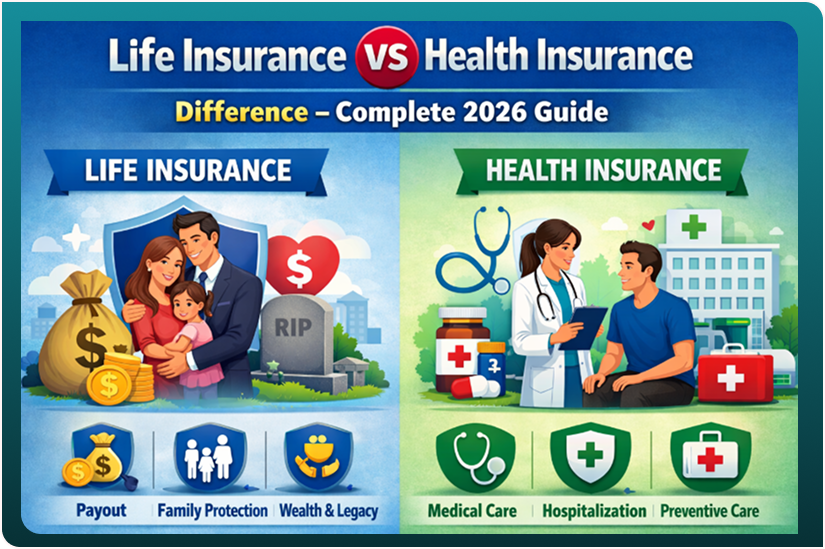
Life Insurance and Health Insurance difference

Life Insurance and Health Insurance Difference – Complete 2026 Guide

Life Insurance and Health Insurance difference is one of the most searched financial topics today. Many people confuse these two types of insurance, thinking they serve the same purpose. But in reality, they are completely different financial tools designed to protect you in different situations.

If you want to secure your family’s future and also protect yourself from rising medical expenses, understanding the Life Insurance and Health Insurance difference is very important. In this detailed 2026 guide, we will break down everything in simple language.

Let’s start from the basics.


Table of Contents

  1. What is Life Insurance?
  2. What is Health Insurance?
  3. Why Understanding Life Insurance and Health Insurance Difference Matters
  4. 9 Major Differences Explained
  5. Types of Life Insurance
  6. Types of Health Insurance
  7. Premium Comparison
  8. Claim Process Comparison
  9. Tax Benefits
  10. Which One Should You Choose?
  11. Can You Have Both?
  12. Common Mistakes People Make
  13. FAQs
  14. Conclusion

What is Life Insurance?

Life Insurance is a contract between you and an insurance company. You pay a fixed premium, and in return, the insurer promises to pay a lump sum amount to your nominee in case of your death.

The main purpose of life insurance is financial protection for your family. If the earning member of a family dies unexpectedly, life insurance ensures that the family does not suffer financially.

Life insurance is about income replacement and long-term security.


What is Health Insurance?

Health Insurance is a policy that covers your medical expenses. If you fall sick, meet with an accident, or require hospitalization, the insurance company pays the hospital bills as per policy terms.

With medical costs increasing every year, health insurance has become a necessity rather than a luxury.

Health insurance protects you from financial burden during medical emergencies.


Why Understanding Life Insurance and Health Insurance Difference Matters

Understanding the Life Insurance and Health Insurance difference helps you:

  • Make better financial decisions
  • Avoid buying the wrong policy
  • Plan your long-term security
  • Protect both income and health

Many people think buying one insurance is enough. That is not correct. These two serve different purposes.


9 Major Life Insurance and Health Insurance Difference Explained

Below is a detailed comparison.

1. Purpose

  • Life Insurance: Provides financial support to family after death.
  • Health Insurance: Covers hospital and medical expenses while you are alive.

This is the biggest Life Insurance and Health Insurance difference.


2. Benefit Receiver

  • Life Insurance: Nominee receives money.
  • Health Insurance: Policyholder receives treatment benefits.

3. Type of Payment

  • Life Insurance: Lump sum amount.
  • Health Insurance: Pays hospital bills as per coverage.

4. Duration

  • Life Insurance: Long-term (10–30 years or whole life).
  • Health Insurance: Usually 1 year, renewable annually.

5. Risk Covered

  • Life Insurance: Death risk.
  • Health Insurance: Illness, surgery, accident, hospitalization.

6. Investment Component

  • Some life insurance policies include savings/investment.
  • Health insurance has no investment benefit.

7. Premium Amount

  • Life Insurance premium depends on coverage and age.
  • Health Insurance premium depends on age, health condition, and coverage amount.

8. Claim Frequency

  • Life Insurance claim happens once.
  • Health Insurance claims can happen multiple times.

9. Tax Benefits

  • Life Insurance: Section 80C.
  • Health Insurance: Section 80D.

Understanding these differences clearly explains the Life Insurance and Health Insurance difference.


Types of Life Insurance

Life insurance comes in different forms:

✔ Term Insurance

Pure protection plan with no maturity benefit.

✔ Whole Life Insurance

Covers you for entire lifetime.

✔ Endowment Plan

Combination of insurance + savings.

✔ ULIP

Insurance + market-linked investment.

Each type serves a different financial goal.


Types of Health Insurance

Health insurance also has various categories:

✔ Individual Health Plan

Covers single person.

✔ Family Floater Plan

Covers entire family under one policy.

✔ Senior Citizen Plan

Designed for elderly people.

✔ Critical Illness Plan

Covers serious diseases like cancer, heart attack.

Knowing types helps better understand Life Insurance and Health Insurance difference.


Premium Comparison

Life insurance premiums are usually cheaper for high coverage if bought early. For example, a young 30-year-old can get ₹1 crore term insurance at a low annual premium.

Health insurance premiums increase with age because health risks increase.

So if you delay health insurance, it becomes expensive.


Claim Process Comparison

Life Insurance Claim Process

  1. Inform insurance company.
  2. Submit death certificate.
  3. Submit policy documents.
  4. Verification process.
  5. Lump sum payment to nominee.

Health Insurance Claim Process

  1. Inform insurer before hospitalization (cashless).
  2. Submit hospital bills.
  3. Approval process.
  4. Payment to hospital or reimbursement.

The claim method clearly shows the Life Insurance and Health Insurance difference.


Tax Benefits

Both policies offer tax benefits.

Life Insurance

  • Deduction under Section 80C.
  • Maturity proceeds may be tax-free (as per conditions).

Health Insurance

  • Deduction under Section 80D.
  • Extra deduction for senior citizens.

This makes both policies financially attractive.


Which One Should You Choose?

The answer is simple: Both.

If you are the sole earning member, life insurance is mandatory.

If you want to avoid hospital bills destroying your savings, health insurance is mandatory.

Life Insurance and Health Insurance difference shows that they protect different risks.


Can You Have Both?

Yes, and you should.

Financial experts recommend:

  • Term insurance for income protection.
  • Health insurance for medical emergencies.

Combining both gives complete protection.


Common Mistakes People Make

  • Buying investment-heavy life insurance without understanding terms.
  • Ignoring health insurance at young age.
  • Not reading policy exclusions.
  • Delaying insurance purchase.

Insurance planning requires careful thinking.


Frequently Asked Questions

Q1. What is the main Life Insurance and Health Insurance difference?

Life insurance pays after death, health insurance pays medical bills.

Q2. Is health insurance more important than life insurance?

Both are important for different reasons.

Q3. Can I buy both policies?

Yes, and it is recommended.

Q4. Which insurance is cheaper?

Term life insurance is usually cheaper for high coverage.


Final Conclusion

Understanding the Life Insurance and Health Insurance difference is essential for smart financial planning. Life insurance protects your family’s future income, while health insurance protects your savings from medical emergencies.

In 2026, rising medical costs and uncertain life risks make both insurances extremely important. Do not treat insurance as an expense. It is financial protection.

Choose wisely, read policy terms carefully, and invest according to your needs. A small premium today can prevent a huge financial crisis tomorrow.

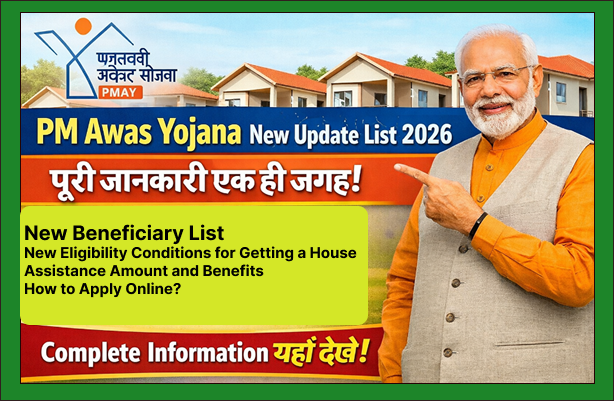
PM Awas Yojana New

PM Awas Yojana New Update List 2026 – Complete Information

PM Awas Yojana New List 2026 has been officially updated for eligible beneficiaries across India. If you have applied for Pradhan Mantri Awas Yojana or planning to apply, checking the new beneficiary list is very important. Many families are waiting for confirmation, and this year government has made some important updates.

In this complete guide, you will learn how to check the P.M Awas Yojana New List 2026, eligibility criteria, required documents, benefits, and latest updates. So read carefully till end because small details are very important here.

  1. What is PM Awas Yojana?
  2. PM Awas Yojana New List 2026 Overview
  3. Eligibility for PM Awas Yojana New List 2026
  4. How to Check PM Awas Yojana New List 2026 Online
  5. Documents Required
  6. Benefits of PMAY 2026
  7. PMAY Urban vs Rural List
  8. Common Reasons Name Not in List
  9. How to Apply Again
  10. FAQs

What is PM Awas Yojana?

PM Awas Yojana (PMAY) is a government housing scheme launched in 2015 to provide affordable houses to economically weaker sections. The main aim is “Housing for All”.

There are two main categories:

  • PMAY Urban (PMAY-U)
  • PMAY Gramin (PMAY-G)

The government provides financial assistance to build or purchase house. The P.M Awas Yojana New List 2026 includes updated beneficiary names under both categories.

For official details, you can visit:
https://pmaymis.gov.in (External Resource)


PM Awas Yojana New List 2026 Overview

Here is quick overview of PM Awas Yojana New List 2026:

  • Scheme Name: Pradhan Mantri Awas Yojana
  • Launched By: Government of India
  • Year: 2026 Updated List
  • Beneficiaries: EWS, LIG, MIG families
  • Official Website: pmaymis.gov.in
  • Status: Active

This year, many new applications has been approved under P.M Awas Yojana New List 2026, especially in rural areas.


Eligibility for PM Awas Yojana New List 2026

To be included in P.M Awas Yojana New List 2026, you must meet following criteria:

1. Income Category

  • EWS: Annual income up to ₹3 lakh
  • LIG: ₹3–6 lakh
  • MIG-I: ₹6–12 lakh
  • MIG-II: ₹12–18 lakh

2. No Pucca House

Applicant or family should not own permanent house anywhere in India.

3. Aadhaar Linked

Aadhaar card must be linked to application.

4. Female Ownership

Preference is given to houses registered in name of female member.

If you fulfill these conditions, chances of your name in becomes higher.


How to Check PM Awas Yojana New List 2026 Online

Follow these simple steps:

  1. Visit official website
  2. Click on “Search Beneficiary”
  3. Enter Aadhaar Number
  4. Click Submit
  5. Your status will appear

You can also check PM Awas Yojana New List 2026 by registration number.

Sometimes website loads slow due to heavy traffic, so try again later if not working properly.


Required Documents for PM Awas Yojana 2026

To apply or verify your status in PM Awas Yojana New List 2026, keep these documents ready:

  • Aadhaar Card
  • Income Certificate
  • Bank Account Details
  • Address Proof
  • Passport Size Photo
  • Mobile Number

Incomplete documents is one of the main reasons for rejection.


💰 Benefits Under PM Awas Yojana New List 2026

Here are major benefits:

1. Financial Assistance

Government provides subsidy on home loan interest.

2. Direct Benefit Transfer

Money transferred directly to bank account.

3. Subsidy up to ₹2.67 Lakh

Under Credit Linked Subsidy Scheme (CLSS).

4. Support for Rural Families

Separate fund allocation under PMAY-G.

PM Awas Yojana New List 2026 ensures transparency and digital tracking.


PM Awas Yojana New List 2026 – Urban vs Rural

PMAY Urban

For city residents needing housing support.

PMAY Gramin

For rural families living in kutcha houses.

Both categories have separate PM Awas Yojana New List 2026 portal sections.

Why Your Name May Not Be in PM Awas Yojana New List 2026

Many applicants complain that their name is not included. Possible reasons:

  • Wrong Aadhaar details
  • Income mismatch
  • Duplicate application
  • Incomplete verification
  • Already own house

If your name not appear in don’t panic. You can reapply.

How to Apply for PM Awas Yojana 2026

  1. Visit official website
  2. Click “Citizen Assessment”
  3. Fill form carefully
  4. Upload documents
  5. Submit and save reference number

After approval, your name will appear in upcoming PM Awas Yojana New List 2026 update.

Latest Updates in PM Awas Yojana New List 2026

  • Increased rural housing targets
  • Faster digital verification
  • More transparency in beneficiary selection
  • Direct SMS alerts to applicants

Government aims to complete housing targets before 2027.


Internal Linking Suggestions

You can internally link to:

  • PM Kisan Scheme 2026
  • Ayushman Bharat Yojana 2026
  • Ujjwala Yojana 2026

This improves SEO authority.


Frequently Asked Questions (FAQs)

Q1. How to check PM Awas Yojana New List 2026?

Visit official portal and search using Aadhaar or registration number.

Q2. Is PM Awas Yojana New List 2026 released?

Yes, updated list has been released for many states.

Q3. Can I apply again if rejected?

Yes, you can apply again after correcting details.

Conclusion

PM Awas Yojana New List 2026 is a golden opportunity for families who dream of owning a house. Government has simplified the process, but applicants must ensure correct documents and eligibility.

If you have applied, check your name today in PM Awas Yojana New List 2026 and confirm your status. Small mistake in application can delay your approval, so always double check details before submitting.

Housing for all is not just a slogan, it is becoming reality slowly but surely.